The World Health Organization (WHO) has published a new blueprint to help countries respond to the increasing burden of fungal disease and antifungal resistance, which it describes as one of the most underestimated and neglected threats to global health.
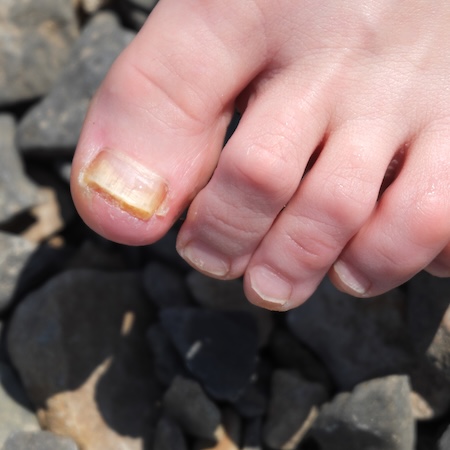
Fungal diseases affect more than 300 million people each year, and are associated with high mortality, long-term illnesses and major losses in health and productivity worldwide. Antifungal resistance is a growing threat, driven in part by the widespread use of antifungals and their analogues across human, animal and plant health, as well as environmental exposure to antifungal chemicals. Responsible use of antifungals is essential to preserve their effectiveness while continuing to protect human and plant health.
Despite their profound human and economic toll, fungal diseases remain largely absent from national health plans, global burden-of-disease estimates, and the majority of antimicrobial resistance (AMR), universal health coverage and One Health strategies.
The new Blueprint for strengthening responses to fungal disease and antifungal resistance builds on the WHO fungal priority pathogens list and existing WHO work on neglected tropical diseases, HIV and antimicrobial resistance, providing countries with practical guidance to strengthen national and regional responses to fungal disease and antifungal resistance.
"The Updated Global Action Plan on AMR approved by the Seventy-ninth World Health Assembly recognized that antifungal resistance is an integral part of the AMR challenge – and one we can no longer afford to overlook. This Blueprint gives countries a concrete path forward," says Dr Jean Pierre Nyemazi, Director a.i. of the Department of Antimicrobial Resistance at WHO.
New blueprint
Developed through a structured, multi-stage process and consultations with over 150 experts from all WHO regions, the Blueprint aims to help countries address critical gaps in knowledge, diagnosis, treatment, surveillance, research and workforce capacities, particularly in low-resource settings.
The implementation guidance is intended for national policy makers and programme managers working on communicable diseases and AMR, researchers and developers of antifungal medicines and diagnostics, donors and public–private partnerships supporting antimicrobial research and development, as well as global decision-makers, health providers and patient advocates.