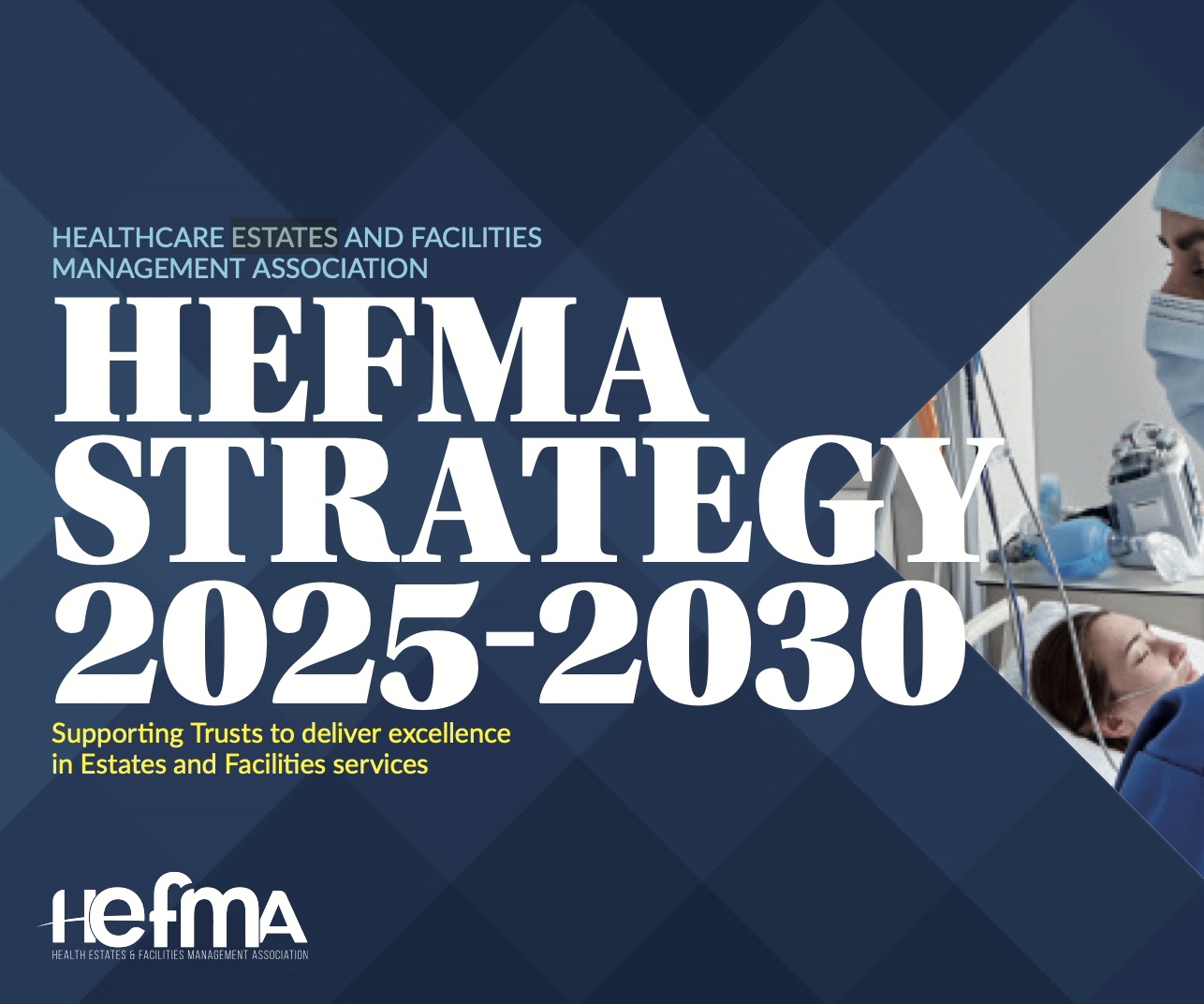
Concerns that corridor care is becoming part of normal practice for NHS Trusts across England are growing. In its latest report, HSSIB (Health Services Safety Investigation Body) urges healthcare leaders and Trusts to improve their understanding so they can better manage the risks that such temporary care environments may present to patient safety.
Waiting areas, corridors, chairs on wards and ambulances outside the emergency department are all spaces that are in regular use to provide patient care, although they were never designed for such a purpose. Commonly used when demand for inpatient beds exceeds capacity, demand for corridor care usually peaks during the colder winter months. However, HSSIB’s investigation, the results of which are reported in ‘Patient Care in Temporary Care Environments’, found issues with patient flow much earlier last year. HSSIB visited 13 hospitals and had insight from another four during the period from August to December 2025, and believes there is no longer significant seasonal variation.
It is not the first time HSSIB has reported on patient flow issues – and nor is it alone in raising the issue recently, Age UK and the Royal College of Nursing (RCN) have both spoken out about the problem – however, limited action has been taken in response.
The HSSIB report highlights the most significant patient safety issues faced in temporary care environments, and looks at the actions some hospitals are taking to mitigate these risks.
Patient safety risks
• Difficulties in monitoring patients and recognising deterioration
• Insufficient staff for satisfactory staff to patient rations
• Increased infection risk
• Lack of piped oxygen and suction
• Compromised response to medical and fire emergencies.
Actions taken by some hospitals to mitigate risks included introducing policies and risk assessments, adapting the temporary care environment by installing plug sockets, temporary call bells, patient call bells and communication systems and bringing in bank and agency staff to improve staff to patient rations. However, none of these are long-term solutions to the problem.
Saskia Fursland, Senior Safety Investigator at HSSIB, says: “Until there is a solution to the complex underlying issues related to patient flow, we must recognise that hospitals may have no choice but to use temporary care environments.
“By working together with a shared understanding, healthcare leaders and NHS Trusts can better understand the use of temporary care environments and their impact on patient safety in a consistent way and systematically address the risks to patient safety.
“In contrast to the chaotic picture that’s often presented of corridor care, in the course of our investigation we saw first-hand how individual NHS Trusts are adapting to ensure that the patient safety risks associated with using temporary care environments are being mitigated.”
Jane Renton reports on the issue of corridor care in the Jan/Feb 2026 issue of Pulse, digital version will be available w/c January 19, 2026.