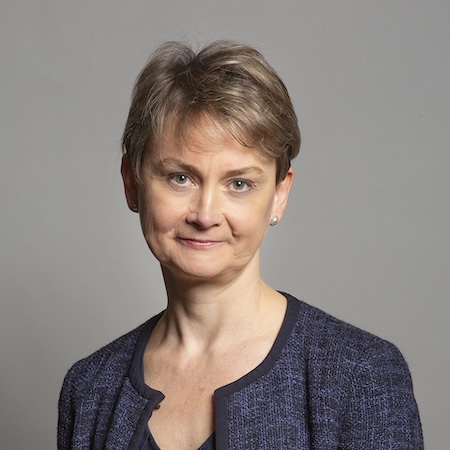
Speaking at the annual conference of The King’s Fund this week, the Health Secretary Yvette Cooper announced a strategy to give a clear purpose to the left shift from hospital to community and treatment to prevention, prioritising three groups of patients where better community prevention and interventions are most urgently needed. She also promised to move beyond expressing an ambition to transform services with immediate practical steps.
“Today we’re setting a new national ambition; that by the end of the decade, people with the greatest health and care needs will no longer have to fight their way through the system to get the support they need,” she said.
“We won’t just make it an ambition. We’ll start with practical steps now, with a new service working to support those who are frailest, to keep them safe and well.”
The three groups identified by the Health Secretary are maternity and early years with a return to the spirit of Sure Start; the generation of young people who are not in education, employment or training (NEAT), often through ill health; and the most frail or vulnerable who are at the greatest risk of going to hospital.
Three practical steps
• Step One: £40m is to be given to GPs this winter to identify and draw up care plans for the 0.5% of their most frail patients – the 300,000 people across the country most at risk of multiple trips to hospital when they would be safer and better-supported at home, and working with other services to develop care plans to keep them well.
• Step Two: From April next year, building on that work, ICBs will commission a new care management service to support half a million of the frailest people in their own homes, rising to two million in coming years. This neighbourhood service will bring together GPs, district nurses, occupational therapists, geriatric consultants, social workers, clinical pharmacists, physiotherapists and mental health workers. Each patient covered by the service will benefit from a care plan and a new Neighbourhood Support Team that knows them and can support them, at home.
• Step Three: Recognising that joined up health and social care is necessary for this to work most effectively, the way councils support and commission domiciliary care will change so they designate and commission from a lead home care provider in every neighbourhood which will work in direct and close partnership with the local NHS Neighbourhood Support Team.
“Shortly, we will publish a new Urgent, Emergency and Planned Care Strategy, setting out more fully how we expect ICBs to commission the new care management service for next year, and the new Neighbourhood Support Teams that will deliver this service on the ground,” Yvette Cooper said.
The Health Secretary also stressed the need for the flow of money to change. “Ultimately, increasing the proportion of investment in early intervention and community provision is good for patients, good for communities and good for the delivery of our emergency and acute services too.”
Sarah Woolnough, Chief Executive of The King’s Fund describes the announcement of Neighbourhood Support Teams as a “clear step in realising the ambitions set out in the government’s 10-Year Plan for Health.”
However, she cautions that the detail is now needed. “Action to strengthen community care, organise social care services around neighbourhoods and provide early intervention for vulnerable patients and their families could make a real impact, even if it comes too late to make much difference this winter. Yet without further detail on resources, it remains to be seen how the new service will be established and operate effectively in a system that is already overstretched, facing local reorganisations and financial pressures.
“Expecting savings to come from existing NHS budgets risks placing further pressure on hospitals, which cannot simply scale back overnight. Without a more fundamental shift in how funding is allocated across primary care, social care and community services, the new service will be unable to absorb any additional demand, and resources will continue to be drawn back into the acute sector.”