The Care Quality Commission’s 2025/6 State of Care report comments on a system “under pressure.” Whilst there are positives to report, some “green shoots of recovery,” the CQC says it’s difficult for these improvements to keep pace with the increased need and demand for care.
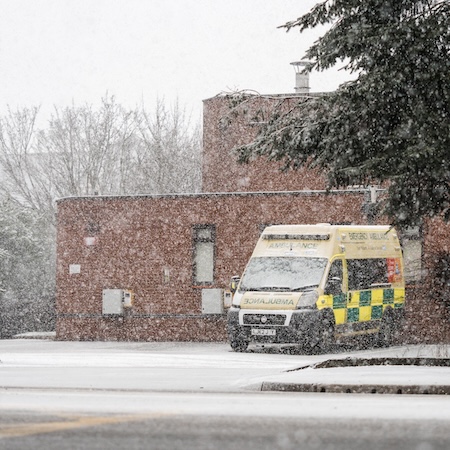
Urgent and emergency care services are described as being “under sustained pressure,” with over 608,000 more attendances than in 2024/5. Although there are some signs of improvement, services are struggling to meet national response standards in the face of high demand. In particular, patients who need to be admitted are facing long waits, often in areas that are unsuitable for patient care, such as corridors. In 2025/6, 571,000 waited more than 12 hours for a bed from decision to admit.
The average number of general and acute hospital beds available has remained roughly level but has not kept pace with population growth. The report finds that the number of beds per 100,000 people has gone down by 0.9% from 174 per 100,000 people in 2024/25 to 172 per 100,000 in 2025/6.
Challenges in discharging patients continue, with an average of 13,000 patients on any given day remaining in hospital even though they were ready to discharge. This is up from 12,700 in 2024/25. System pressures, including lack of capacity or delays in onward care and treatment remain the most common reasons for delayed discharge of longer stay patients.
The waiting time for elective care has fallen and more people are receiving a diagnosis or having cancer ruled out within 28 days, but the CQC remains concerned that the 85% target for people with an urgent referral for cancer starting treatment within 62 days is not being met (standing at 69.4%).
Diagnostic capacity fails to meet demand
On average 78,000 more diagnostic tests were carried out per month in 2025/26 compared to 2024/25, however, the average number of people waiting for a diagnostic test has also risen – by almost 14,000 to nearly 1.8 million. Performance against the national standard that states people should wait less than six weeks from referral has worsened in the face of this increasing demand. The government’s ongoing investment in new Community Diagnostic Centres aims to continue to boost diagnostic capacity and support the transition into delivering more care in communities.
The ward environment
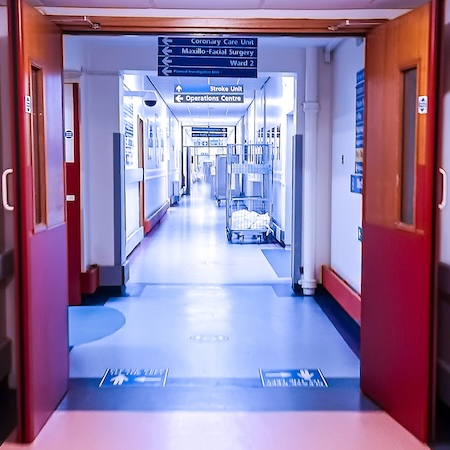
Poor ward environments often adversely affect patient care. The CQC references the 2025 Adult Inpatient Survey that found only 37% of respondents felt they were able to sleep on the ward. The most significant factors contributing to difficulties sleeping were noise – from other patients (36%), from medical equipment (18%) and from staff (17%) – discomfort from pain (24%), lighting (17%) and room temperature (10%).
Cleanliness has also been criticised. The 2025 Adult Inpatient Survey reported the proportion of people saying their hospital room or ward was very clean is now down to 69% (from 74% in 2021). The 2024 survey also commented on frequency of cleaning of wards and/or toilets, which were reported to be often dirty.
Lack of privacy was also criticised, with patients being treated in make-shift cubicles and at times in full view of other people when being treated or changed.